How ATS Work
Demystifying the "Applicant Tracking System": what it is, how it reads your CV, and why you should care.
If you've been living under a rock: What is an ATS
ATS are a Recruiter's best friend (or worst nightmare, for those of us who use Workday). Companies receive between 100 and 300 CVs per position on average. Not all of them are good (you wouldn't believe how many hotel receptionists apply for Software Engineering roles), but they all need to be managed.
Enter today's guest: the Applicant Tracking System (ATS). It's basically a central database for all job applications. It stores your CV and personal information while tracking you through the hiring process.
You can't hide. They're everywhere.
What ATS do to your CV
Application Tracking
They monitor candidate status so nobody gets lost in the process.
Automatic Filtering
They screen and organize candidates automatically. (Yes, this is where you get rejected).
Advanced Search
Allows recruiters to find the best candidates in seconds using keywords.
How the machine works ⚙️
"Know your enemy and know yourself; in a hundred battles, you will never be defeated." — Sun Tzu
CV Parsing
When you submit your CV, the first thing the ATS does is "parse" it. It reads the text and breaks it down into structured data (name, contact, history, skills...).
Modern ATS use Natural Language Processing (NLP) to interpret CVs. They look for common headings ("Experience", "Education") to categorize the information.
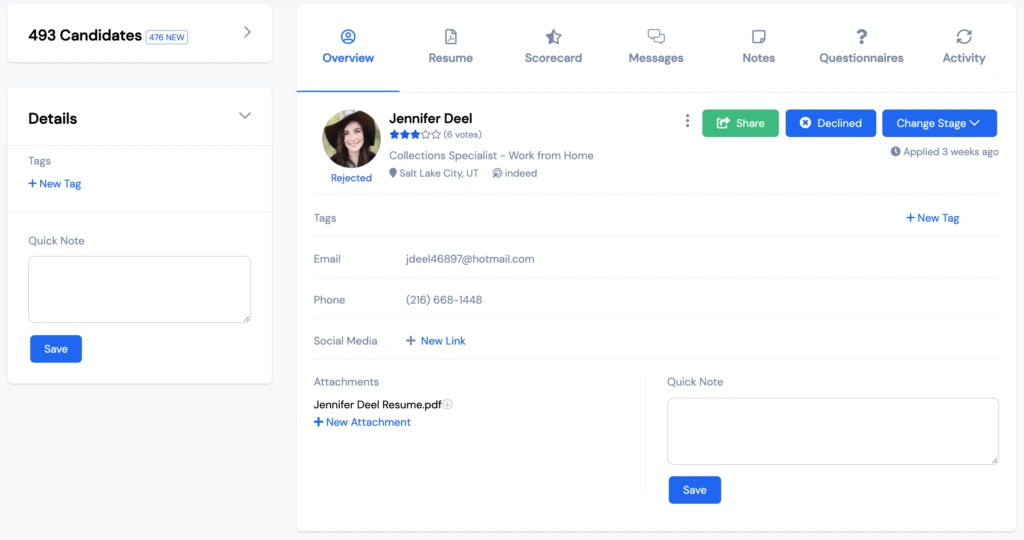
Candidate Search
Once parsed, your CV becomes a searchable profile in the database. Recruiters use keywords and filters to find candidates, just like on Google.
For example, if they search for "Python AWS Seattle", any CV mentioning those terms will appear. They also use "Knockout Questions" (e.g., "Do you have work authorization?") to filter automatically.
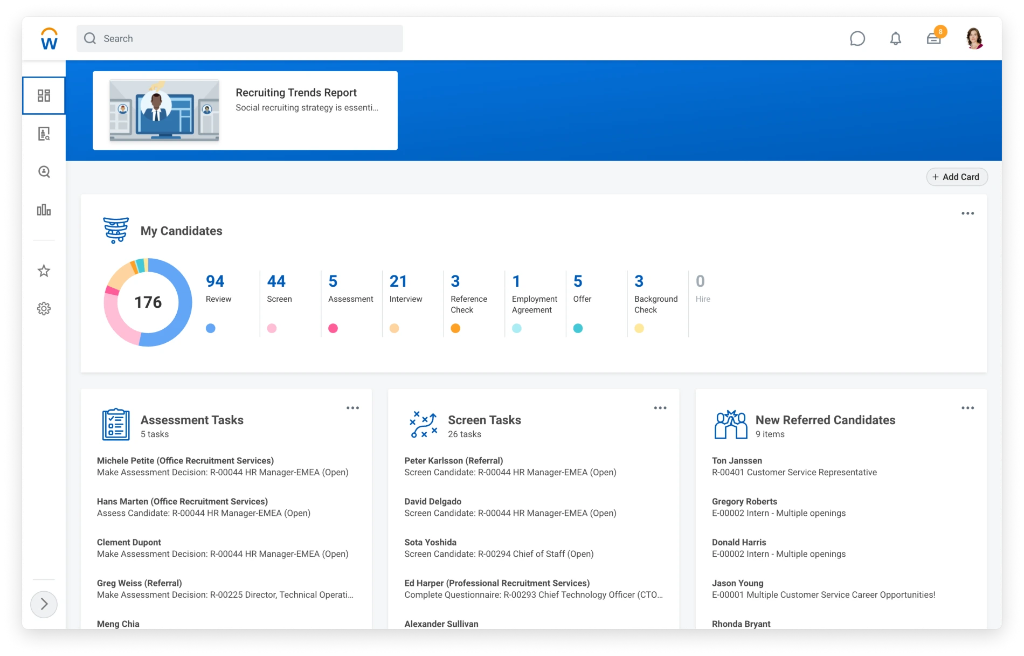
Job Description Matching
It doesn't end there. ATS also match CVs with job requirements through keywords.
The best ATS can identify synonyms, but as a general rule, using the same words as the job description is the safest way to ensure the ATS doesn't miss your profile.
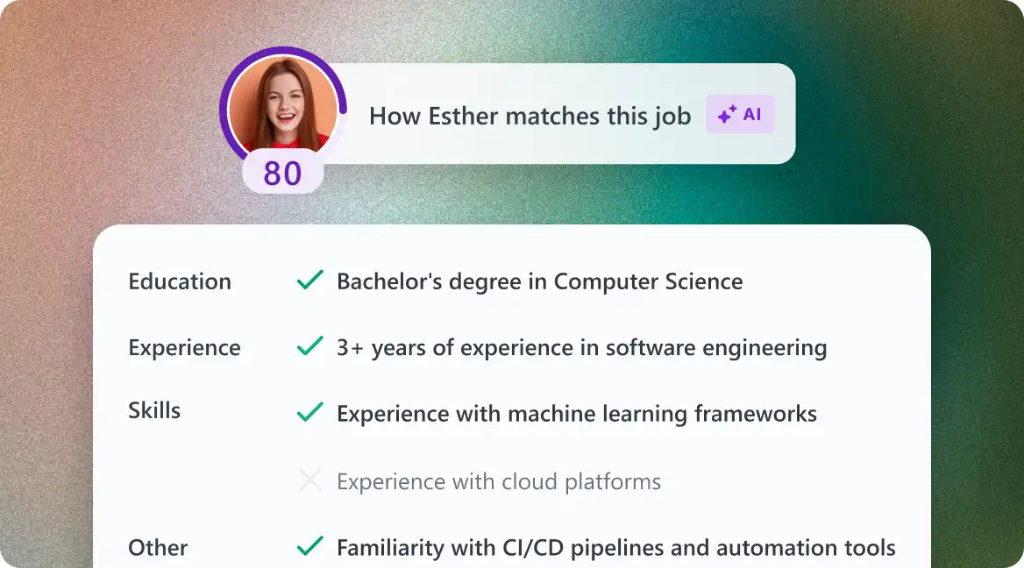
Profile Scoring
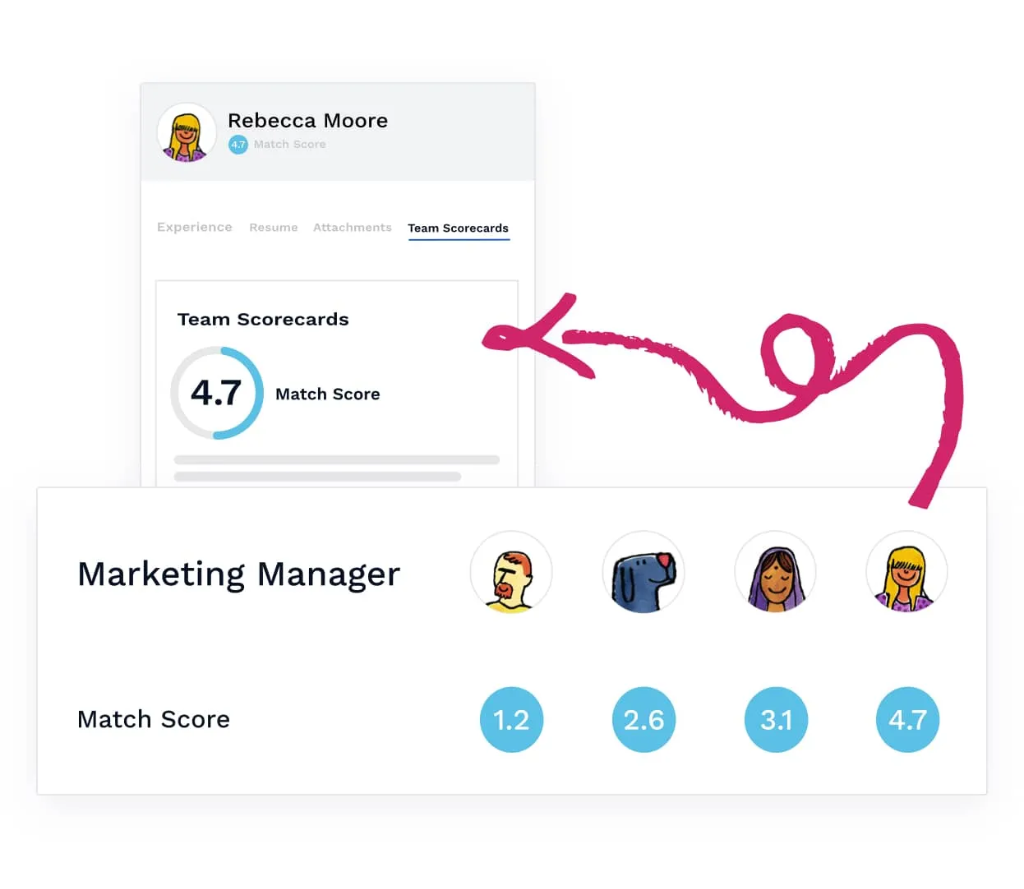
Many ATS assign a score or relevance percentage to your CV based on how well it matches the job posting.
If your score isn't high enough, recruiters may never see your CV. That's why having a detailed and optimized CV matters!
Will your CV pass the ATS filter?
Don't let a robot decide your future. Use our AI-powered ATS scanner to check your score before applying.